The Happysadness of the Nordic Forest
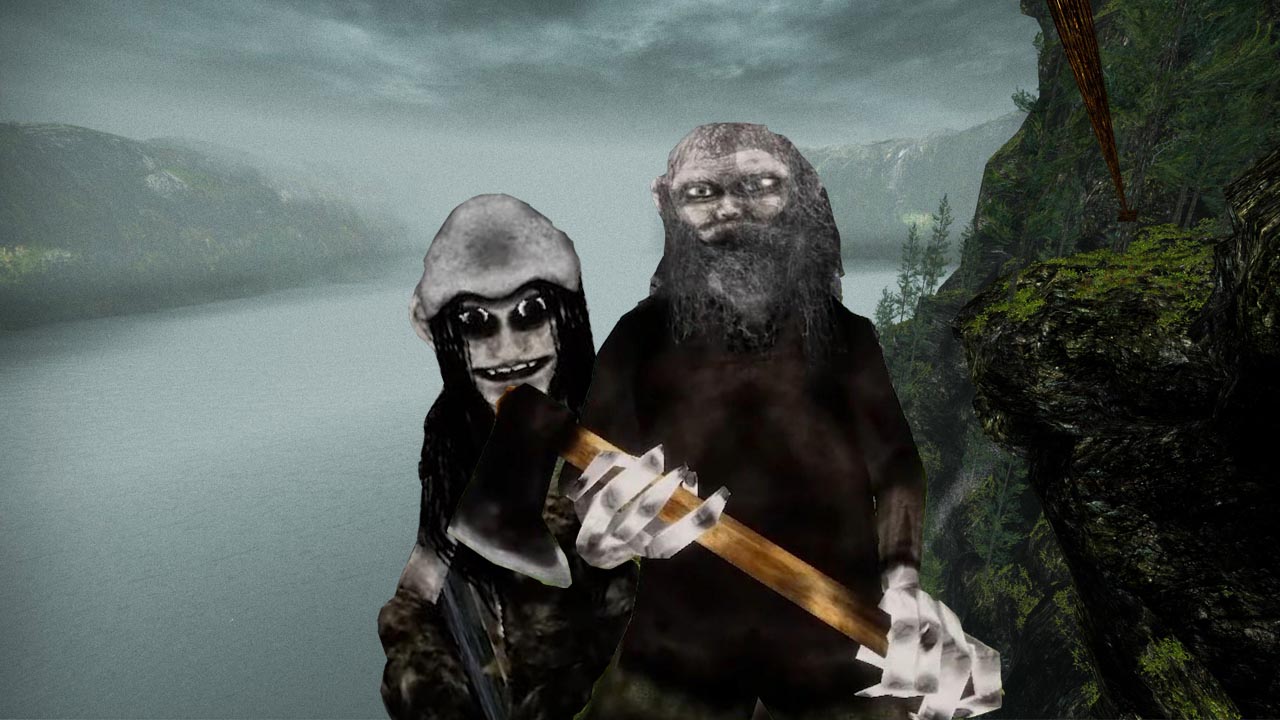
Stories are how you keep knowledge when you can’t write it down. That’s what this post is about, and I found it in two places: a book and a game.
For about four years I’ve been hooked on the Swedish pagan age, after the Vikings and before the church really got its hands on the country. Nobody taught it to me in school, and I think it shaped Sweden more than most of what we did learn. The book is Skogen by Tora Wall. The game is Northern Journey, built by a single Norwegian developer with a lot of love.
The forest
Sweden has a small population in a huge country, and most of it is thick forest. I grew up exploring it, and my best trips were all in that dark, magical forest, where you can walk in far enough that it never seems to end.
Then there’s the winter. It’s October as I write this and it’s already pitch black early, and in a month the dark will arrive in the afternoon. I can’t imagine that without electricity, keeping a single fire going just to have any light at all.
So how did people pass on what they’d learned, when nobody could write?
They told stories. Say your great-grandfather died after messing with a snake. You can’t hand a ten-year-old a field guide, but you can tell them there’s a snake spirit out in the dark that strangles men, and they’ll steer clear of the huggorm (our one venomous snake) for the rest of their life. That’s a real lesson about snakes, passed on as folklore.
It works for the bigger dangers too. Don’t chase the skogsrå when you see her between the trees, because if you’re lost you won’t come back. On the surface that’s a forest nymph, but really it’s a rule about not leaving the path in the dark. The dangers out there were real (bears, mosquitoes, infection, starvation, getting lost), and the trolls and grey dwarfs and spirits were how you made a child remember them. The people telling it were often the grandparents, too old to do much else, weaving and cooking and talking.
A healthy fear of the unknown kept people alive. Skogen is full of exactly these stories, and you can feel the rule underneath every one.
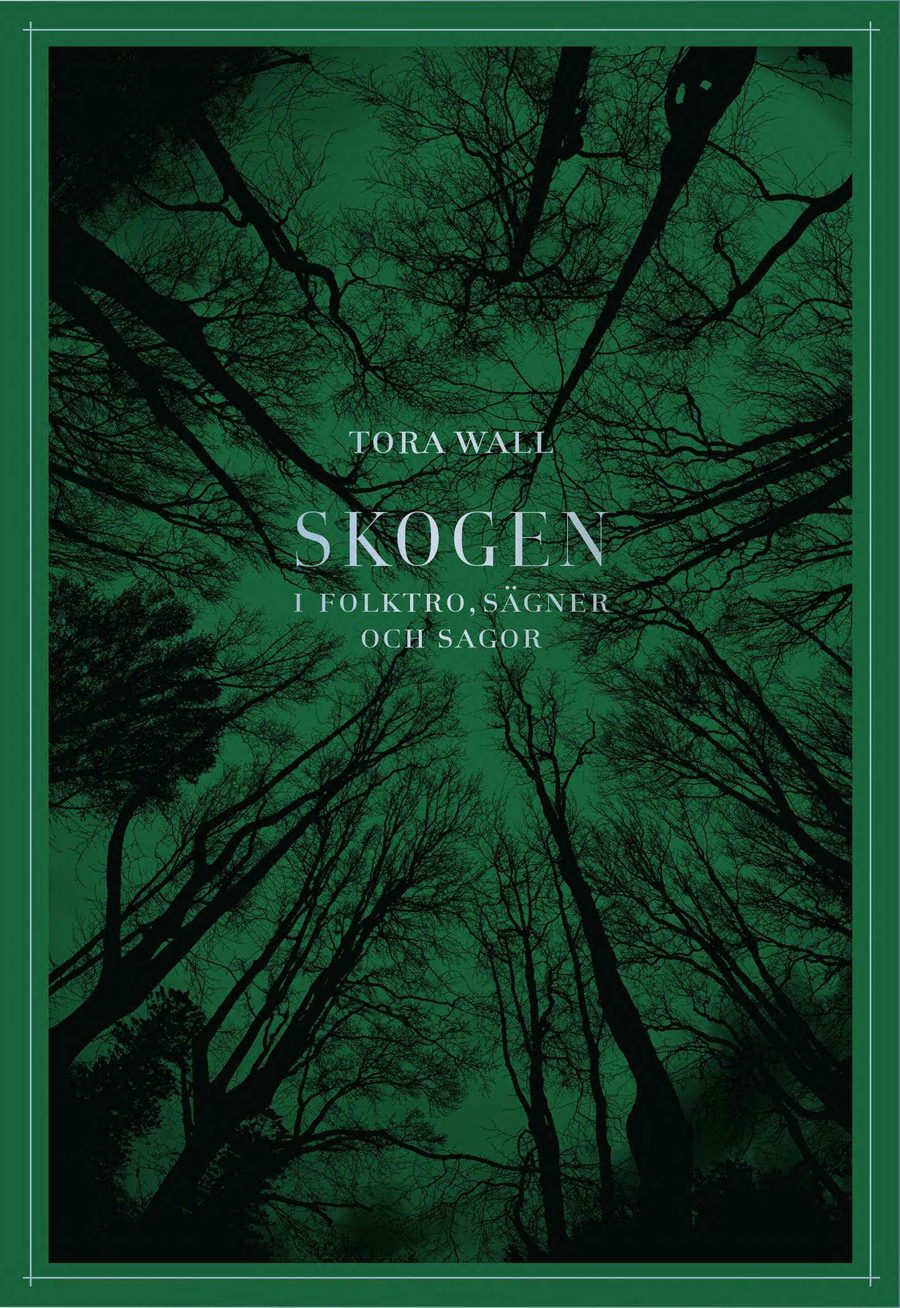 Skogen: i folktro, sägner och sagor, by Tora Wall (Bokförlaget Stolpe, 2024)
Tora is a folklorist, and the book was nominated for the Augustpris in 2024 (Sweden’s big non-fiction prize). It’s 240 pages and richly illustrated, and it starts from the fact that two thirds of Sweden is forest and that our ancient religion had a world tree, so it’s no surprise the forest ended up in everything. Tora walks through mythic trees, charged stones, healing plants and tricky animals, and through the beings who help you and the ones who hunt you: the bergatroll, the skogsrå, the noble robber. It’s the thinking of a farming society before industry, and parts of it feel oddly familiar.
The game
Northern Journey is a silly game, and I love it. Slid Studio calls it a “norwegian happysad game” on Steam, which fits well. It came out in August 2021, it’s linear with no grind and no sidequests, and there are over 50 bosses and enemy types between you and the cold mountains. It’s also the closest thing I’ve found to how that forest feels when I stand in it. The land is beautiful and lethal, the people in it have been worn into something strange, and they’re still here, still cooking, still getting on with the day.
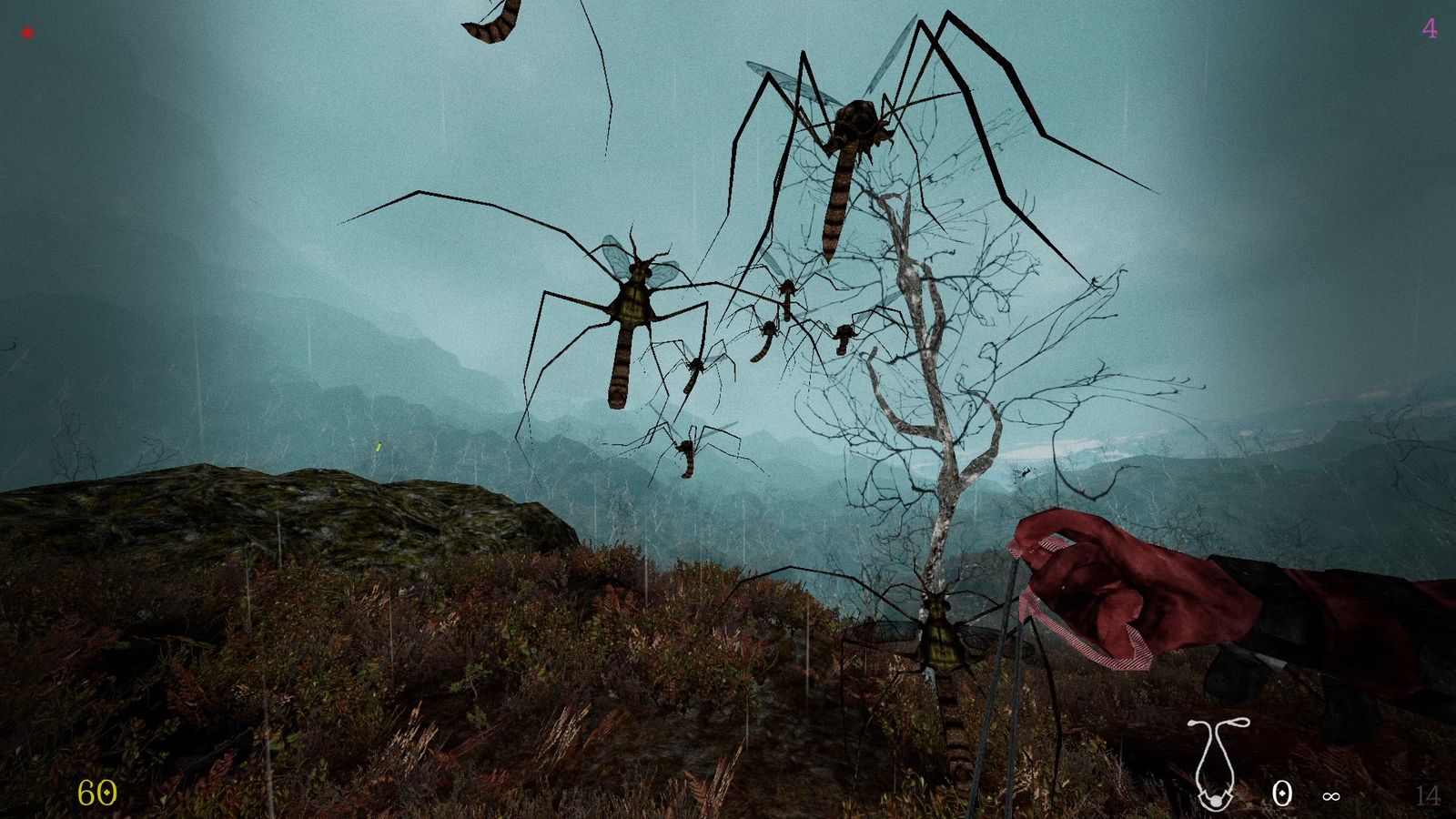 Even the mosquitoes get the monster treatment (and honestly, they’ve earned it)
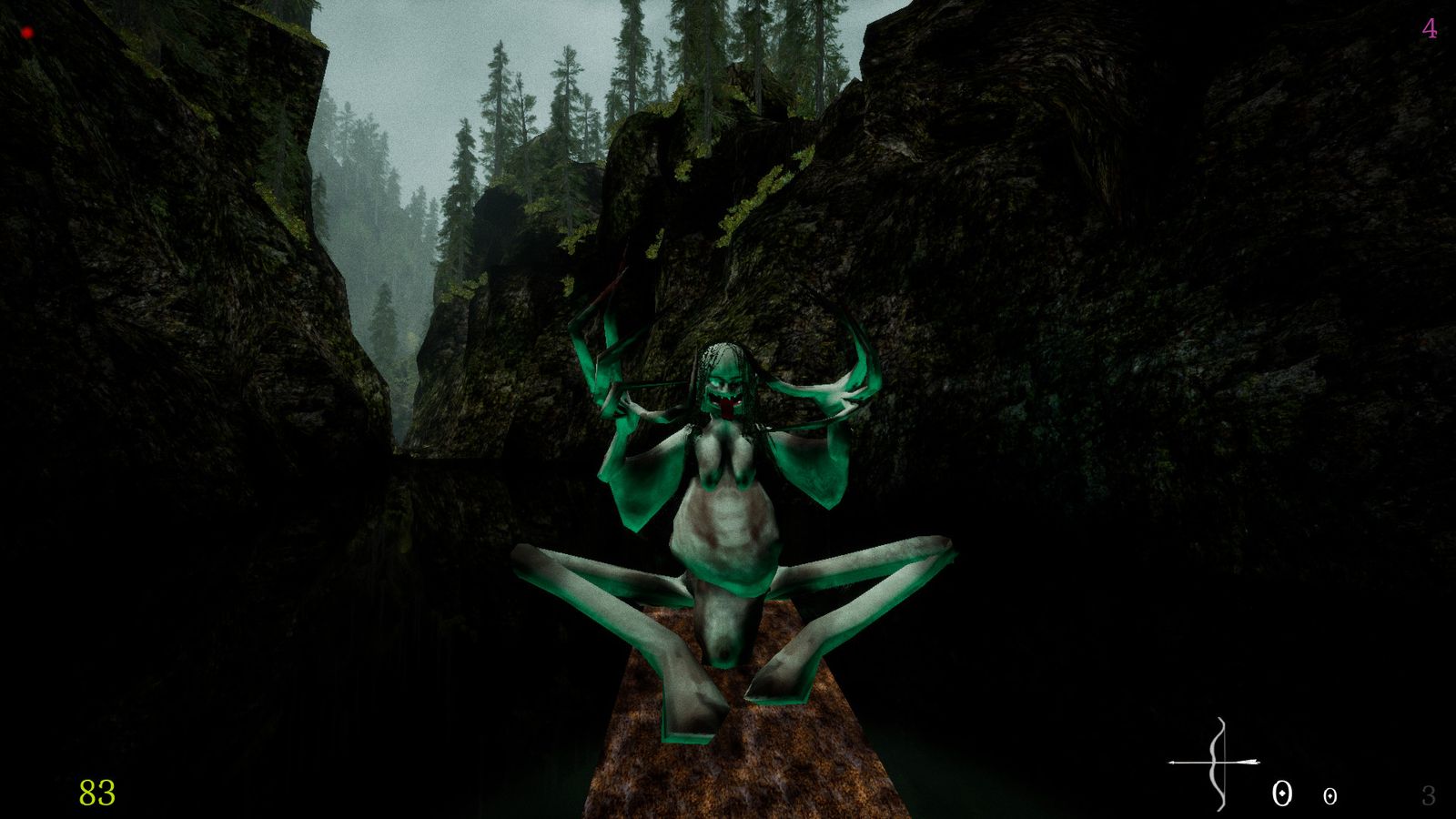 Something waits in the gorge, and you can’t tell if it’s friendly
My favourite moment comes early. You reach a village and meet a small girl who’s upset because she’s lost her dog. She barely looks human, more like something out of a horror film, because this land made her that way. Later you find her with her “dog”, which turns out to be a huge snake that kills people. She’s smiling and genuinely happy to have it, because to her that’s just normal life.
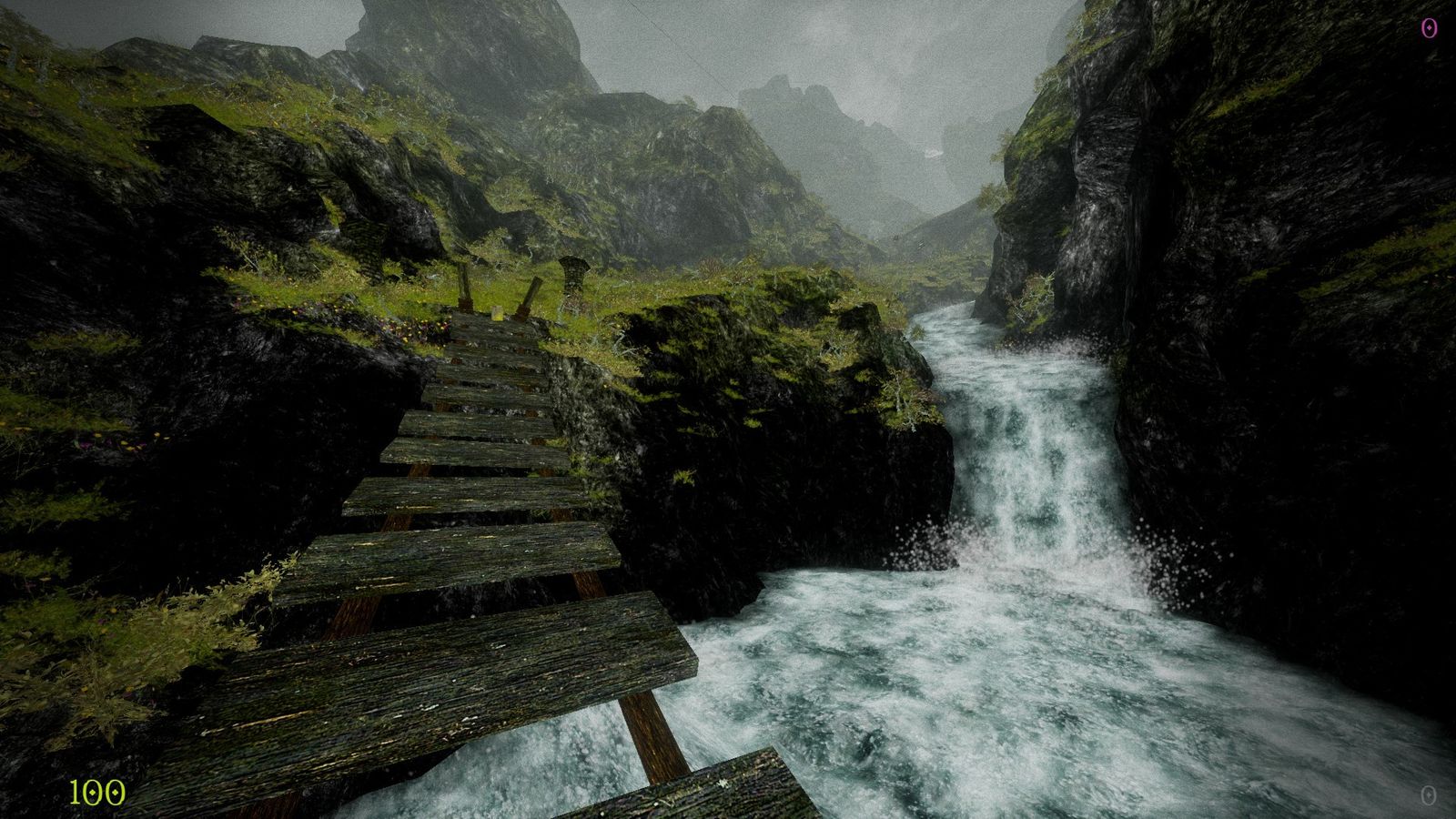 Beautiful and lethal at the same time
I think about that girl a lot. When there’s no hope in sight, all you can really do is live, and smile if you can. Get busy living, or get busy dying.
To me that’s what the old stories were for. They never made the forest safe, but they helped people keep living in it.